
Blog
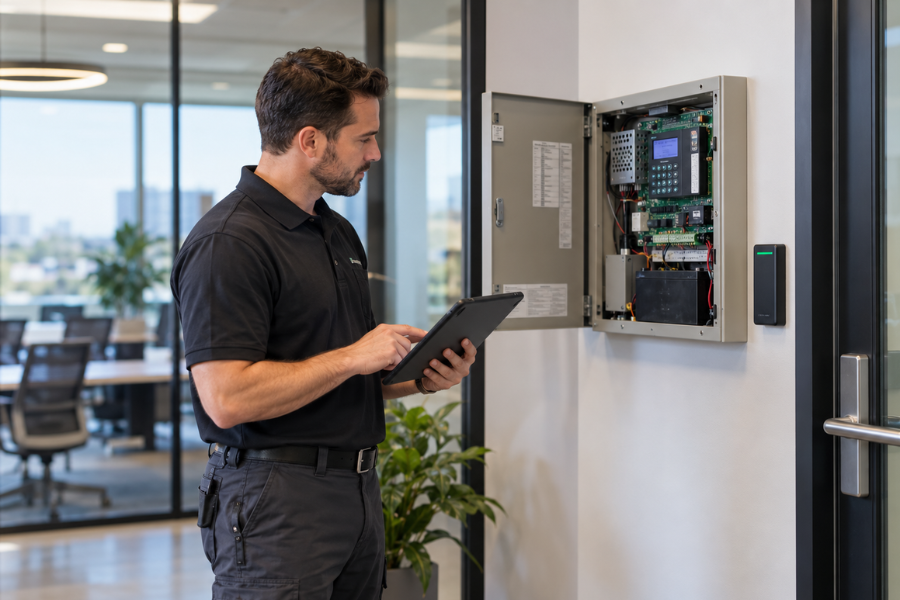
The Security Details That Become Outdated Before the Equipment Does
When people think about an aging security system, they usually think about the equipment. Cameras eventually need service, sensors can wear out, and technology changes. But some of the first parts of a system to become outdated are often the information and permissions behind it. User codes, access credentials, monitoring…
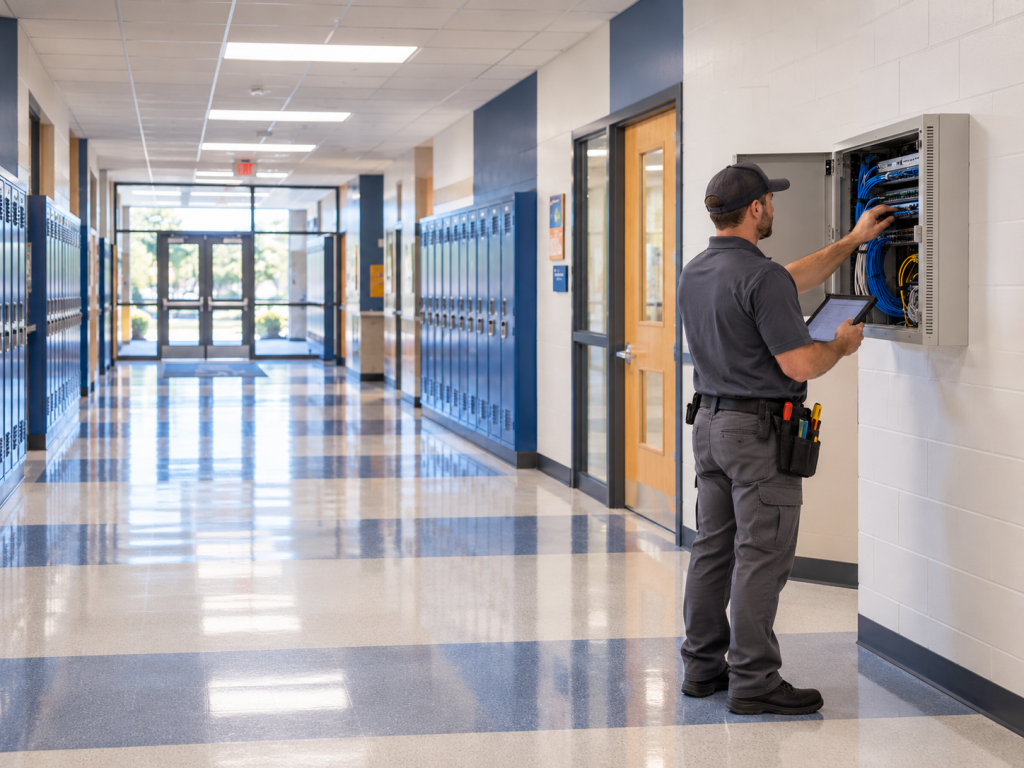
What Happens When Your School’s Security Technology Outgrows Its Infrastructure?
Schools rarely replace every piece of security technology at the same time. A campus may add higher-resolution cameras, expand access control to additional doors, install new intercoms, or connect more devices to the network while much of the infrastructure supporting those systems remains unchanged. That approach can work until the…

Healthcare Security Needs Ongoing Support, Not a One-Time Installation
Healthcare facilities rely on security and life safety systems every day, often across buildings where employees, patients, visitors, and vendors are moving through different areas for different reasons. Access control manages who can enter restricted spaces, cameras provide visibility across the property, and fire alarm systems remain responsible for protecting…

Your School Doesn’t Operate on One Schedule. Why Should Its Security System?
A school may have an official start time and dismissal time, but campus activity extends well beyond those hours. Athletic events, evening programs, administrative work, and weekend use can keep portions of a school active long after the regular day has ended. That does not mean the entire campus needs…

Healthcare Facilities Have to Be Open. That Doesn’t Mean Every Area Should Be Accessible.
Healthcare facilities have to balance openness with control. Patients and visitors need to enter the building, find the care they need, and move through appropriate areas without unnecessary obstacles, while clinical, administrative, and other restricted spaces require tighter protection. Effective healthcare security depends on defining where public access should end…

You’re Already Using Your Security System. Are You Using All of It?
Installing a commercial security system is a significant investment, but the equipment itself is only part of the value. As businesses grow and operations evolve, many of the features built into modern security systems go unused simply because they aren’t needed on day one or because staff changes over time.…

Why Healthcare Expansion Projects Should Include Your Security Provider Early
Healthcare facilities are built to adapt. New exam rooms are added, departments relocate, imaging equipment is upgraded, and administrative offices are reconfigured to support changing patient needs. Renovation projects are a normal part of managing a modern healthcare environment, but they involve more than construction schedules and contractor coordination. Every…

Why Summer Is the Best Time to Improve School Security
For most schools, summer is a season of preparation. Maintenance projects move forward, classrooms are refreshed, technology is upgraded, and staff begin planning for the year ahead. With students away from campus and daily schedules temporarily paused, schools can complete projects that would be much more difficult once classes resume.…

When Was the Last Time You Walked Your Building with Your Security Provider?
Walk through your building with someone who installed your security system five years ago, and they’ll probably notice things you stopped seeing long ago. Facilities rarely remain exactly as they were when a security system is installed. Offices are remodeled, departments relocate, entrances are repurposed, and operating schedules change to…

What Healthcare Administrators Start Noticing When Access Control Becomes Difficult to Manage
Most healthcare administrators do not decide to review their access control system because a card reader stops working or a door fails to lock. The conversation usually begins when managing the system starts requiring more time and attention than expected. A request for employee access takes longer to process than…